214-747-4110
163 Pittsburg Street, Suite A2, Dallas, TX 75207
940-383-4600
909 E. McKinney St., Denton, TX 76209
972-562-6057
1502 W. University Suite #101, McKinney, TX 75069
469-500-2212
550 Vigor Way, Suite 102, Rockwall, TX 75087


Blog
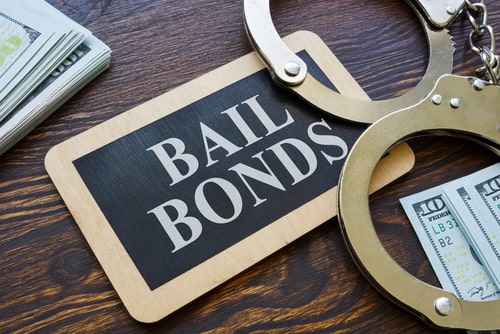
Getting arrested or getting a call that someone you love has been arrested is stressful and confusing. One of the first questions families tend to ask is how to get their person out of jail as quickly as possible. The answer often involves bail, but you may not be aware that there are different types of bail bonds available in Texas. Which one is best for you depends on your situation. If you need help navigating the bail process in 2026, a McKinney, TX bail bondsman can help.
Bail is a set amount of money the court asks for as a guarantee that a defendant will show up to all future court dates per Texas Code of Criminal Procedure Article 17.01. Bail is designed to allow a defendant to be released from custody while still ensuring they show up to court. It’s not meant to be a punishment.
A judge or magistrate sets the bail amount. They look at factors like the seriousness of the charge, the defendant's criminal history, their ties to the community, and whether they might try to run away. Once bail is set, the defendant has options for how to post, or pay it.
There are five main types of bail bonds, each serving the same purpose in a different way.
A cash bond is exactly what it sounds like. Someone pays the full bail amount to the court in cash. This could be the defendant or a family member or friend acting on their behalf. No bail bond agent is needed.
These are good because of their straightforwardness. Once the case concludes and the defendant has appeared at all required court dates, the cash is returned. The downside is that if a judge sets bail at $10,000 or $50,000, most people can’t pay. Cash bonds are practical for lower bail amounts, but they quickly become unrealistic as the number goes up.
Surety bonds are the most common type of bail bond in Texas, and they're what most people think of when they hear the phrase "bail bond."
Instead of paying the full bail amount, the defendant or their family pays a bail bond agent a nonrefundable fee, typically 10 to 15 percent of the total bail. The bail bond company then posts a written guarantee to the court that it will pay the full amount if the defendant doesn't appear.
If the defendant misses a court date, the bond agent is financially on the hook and has a strong incentive to find the defendant and surrender them to the court. For most families, a surety bond is the most affordable way to get someone released from custody without tying up a large sum of cash.
A property bond allows a defendant or their family to use real estate (like a home) as collateral instead of cash. A lien is placed on the property, and if the defendant doesn't appear in court, the court can move to collect against the property.
Property bonds involve more paperwork and court approval than other bond types, and they can take longer to process. The property's equity must generally be equal to or greater than the bail amount. They're not the fastest option, but they can be a solution when cash isn't available, and the equity is there.
A personal recognizance bond, sometimes called a PR bond, costs the defendant nothing upfront. Instead of paying money, the defendant signs a written promise to appear at all future court proceedings. If they don't show up, the court can revoke the bond and issue a warrant for their arrest.
Judges grant PR bonds at their discretion. They're typically reserved for defendants who are considered low flight risks. This may include people with strong ties to the community, no prior history of missing court dates, and charges that aren't very serious. A defendant doesn't get to choose a PR bond. A judge has to decide if they qualify for one.
Immigration bonds are a separate category that applies to non-citizens who have been detained by Immigration and Customs Enforcement (ICE). These bonds aren't set by a criminal court judge, but rather an immigration judge. The process runs through federal immigration proceedings rather than the state criminal system.
Like surety bonds, immigration bonds can be handled through a bail bond agent. If the detainee fails to appear for immigration court, ICE can take them back into custody, and the bond agent faces financial liability.
Understanding your options is the first step toward getting someone you care about released from jail. At Doc's Bail Bonds, our team is ready to answer your questions, explain the process, and start working on a bond right away. We serve clients throughout the Dallas area and surrounding counties. Call 214-747-4110 today to speak with our McKinney bail bondsman.


With seven offices in 6 counties, Doc's Bail Bonds serves the following areas, including but not limited to Dallas, Denton, McKinney, Bonham, Garland, Sherman, Allen, Frisco, Richardson, Carrollton, Irving, Mesquite, Farmers Branch, Flower Mound, Lewisville, The Colony, Rockwall, Dallas County, Fannin County, Denton County, Collin County, Rockwall County and Grayson County.




 The use of the Internet or this form for communication with the firm or any individual member of the firm does not establish an attorney-client relationship. Confidential or time-sensitive information should not be sent through this form.
I have read and understand the Disclaimer and Privacy Policy.